
The Perfect Mortgage Starts Here
Some of our 40+ Lender Partners













Choice Financial is a local mortgage brokerage that offers our clients the best mortgage and terms we feel will most benefit the clients unique situation.
Choice Financial is a local mortgage brokerage that offers our clients the best mortgage and terms we feel will most benefit the clients unique situation.
About Choice Financial
━━━━━━━━
At our company, we prioritize our clients' goals by focusing on our first objective: helping them achieve the results they desire. We understand that purchasing a dream home often requires securing the necessary financing, and we are here to assist in that process. Our team of experts is dedicated to providing personalized support and guidance to ensure our clients' financing needs are met. Whether it's finding the right mortgage options or exploring alternative funding sources, we leverage our industry knowledge and network to help our clients turn their dreams into reality. With our comprehensive services and unwavering commitment, we strive to be the partner our clients can rely on to navigate the financing journey and secure the funds needed to purchase their dream home.
Here is why you are in great hands with Choice Financial
2500+

Clients Helped
30+

Combined Years
of Experience
20+

Mortgage Brokers/Agents

Our Services
Comprehensive mortgage solutions tailored to your unique needs and financial situation

First-Time Home Buyer
Expert guidance for first-time buyers with competitive rates and personalized advice to make your homeownership dream a reality.
- Down payment options
- Government programs
- Step-by-step guidance

Refinancing
Lower your payments and access your home's equity with our competitive refinancing options and expert market knowledge.
- Lower interest rates
- Cash-out options
- Payment reduction

Home Equity Loan
Unlock your home's equity for renovations, investments, or major expenses with competitive rates and flexible terms.
- Competitive rates
- Flexible terms
- Quick access to funds

Reverse Mortgage
For seniors 55+, access your home's equity without monthly payments. Stay in your home and improve your retirement lifestyle.
- No monthly payments
- Stay in your home
- Tax-free income

Second Mortgage
Alternative financing solutions with flexible approval criteria when traditional lending doesn't fit your situation.
- Flexible criteria
- Quick approvals
- Alternative solutions

Mortgage Renewal
Don't automatically renew! We'll find you better rates and terms to save you thousands over your mortgage term.
- Better rates
- Improved terms
- Thousands in savings

Self-Employed
Specialized mortgage solutions for self-employed individuals with flexible income verification and competitive rates.
- Flexible income verification
- Competitive rates
- Fast approvals

Debt Consolidation
Simplify your finances by consolidating high-interest debts into one low monthly payment with better terms.
- Lower monthly payments
- Reduce interest rates
- Simplify finances

Investment Properties
Build your real estate portfolio with financing solutions designed for investment properties and rental income qualification.
- Portfolio financing
- Rental income qualification
- Investment strategies
What Our Clients Say
Don't just take our word for it. Here's what real clients have to say about their Choice Financial experience.



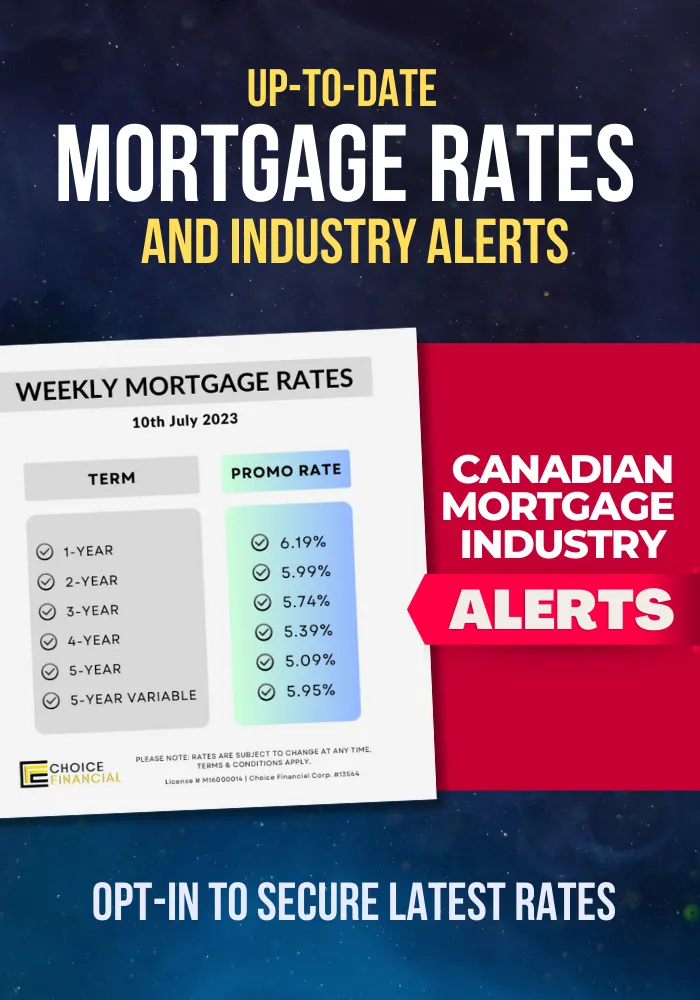
Sign up for our weekly mortgage rates and industry news.
Visit Our Office
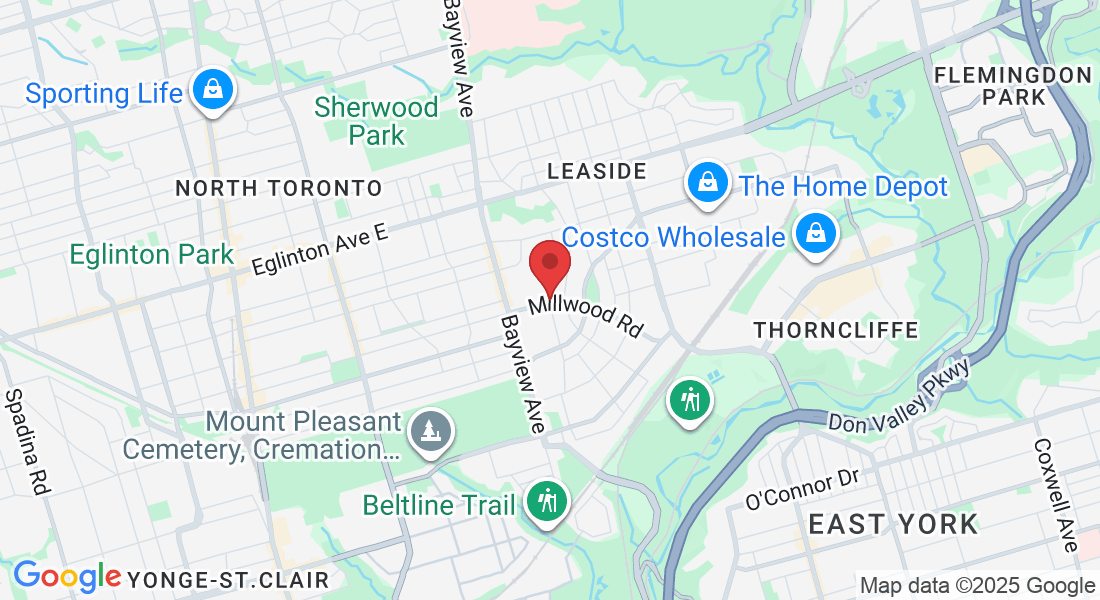
Located in the heart of East York, we're here to serve you in person or virtually across Canada.
785 Millwood Rd
East York, ON M4G 1W2
Phone
647-638-6358
Hours
Mon-Fri: 9AM-6PM
Sat-Sun: By Appointment

What Lenders Actually Look For When You're Self-Employed in Ontario
What Lenders Actually Look For When You're Self-Employed in Ontario
I was talking to a client the other day—let’s call her Sarah. She runs a successful marketing consultancy here in the GTA. Great business, great clients, growing every year. But when she sat down to think about buying a place, she looked at me and said, "Greg, my finances don't look like someone with a pay stub. Can I really get a mortgage? Will I actually qualify?"
If you’re self-employed in Ontario and you’re thinking that—you’re not alone.
I meet clients all the time who have built their business, wear all the hats, and still wonder whether owning a home is realistic. It can feel more complicated. We get that. The good news? With the right preparation, you can get it done.
What Lenders Look For When You’re Self-Employed
When you’re employed by someone else, lenders are used to a tidy package: pay stubs, an employer letter, consistent hours. Easy to verify.
When you’re self-employed, things shift. You are the business. The income may fluctuate. You might be incorporated. You might deduct a lot to save on taxes. You might reinvest profits back into growth.
So lenders ask a different set of questions: "Can we trust this income? Is it consistent enough? Will this person be able to make their mortgage payments for years to come, even if their business has an off month?"
Here’s what they’re actually looking at:
Income History & Documentation
Lenders want to see that your business isn’t brand-new and that your income is predictable—or at least follows a steady pattern. Most expect at least two years of personal Notices of Assessment (NOAs)and corresponding tax returns. If you’re incorporated, they’ll want to see your company’s financials too. The more income you show on paper after expenses, the stronger your case.
Credit Score & Payment Habits
This one’s non-negotiable. Lenders want to see a great credit score—someone paying their bills on time and keeping credit utilization low. It’s not just about income; it’s about financial habits. If your income is a bit less traditional, the rest of your file needs to shine brighter. A score in the high 700s or 800s opens doors.
A Rainy Day Cushion
Having cash in the bank or available room on your credit cards helps. It tells lenders you have backup if business slows down or you need to replace a major piece of equipment. It doesn’t have to be six figures. Just enough to show you’ve got some breathing room.
Income Consistency (Not Sameness)
People often think lenders need to see the exact same amount hit their bank account every month, like clockwork. Not true. What they really want is a reliable pattern—proof that your income makes sense across the full year. That’s why some lenders ask for 12 months of business bank statements. If your business is seasonal (think landscaping, accounting, or construction in Ontario), that’s fine—just help the lender see that the cycle works over time.
Business Stability & Professionalism
How long have you been in business? Are you GST/HST registered? Do you have a separate business account? All these are signs of reliability. If your income and business banking are a mess—personal expenses mixed in, random cash deposits—it makes lenders nervous. Professional bookkeeping can go a long way here.
Down Payment Strength
If something else in your file is a bit shakier—like you have only one year of tax returns—the down payment becomes everything. The more skin you have in the game, the more likely lenders are to lend. A larger down payment lowers their risk.
Ontario Case Study: The Millers in Burlington
Let me give you a real example.
Client profile: Mike, an HVAC contractor (sole proprietor), and Lisa, who runs an online retail business (sole proprietor). They were looking to buy a $850,000 home in Burlington.
Mike’s average net income over two years: $95,000. Lisa’s reported income: $40,000–$45,000. Combined, they had strong credit (high 700s), minimal debt, and a solid 20% down payment saved up.
Strategy: We verified both incomes with their NOAs. For Lisa, whose business was growing, we also used 12-month business bank statements to show the real cash flow, not just the net income after her deductions. Their healthy down payment strengthened the file significantly, and we matched them with a lender familiar with self-employed income nuances.
Outcome: They bought the home, kept their payment under budget, and are now positioned to refinance for a future investment property.
Comparing Self-Employed Mortgage Scenarios

Quick Glossary (For the Busy Ontario Professional)
Notice of Assessment (NOA): The CRA summary of your tax return—it's the key document for proving income to lenders.
Qualifying Rate: The stress-tested interest rate lenders use to make sure you can handle future increases. It's often higher than your actual contract rate.
Loan-to-Value (LTV): The percentage of your home’s value that you’re borrowing. Lower LTV (a bigger down payment) means lower risk to the lender.
GDS / TDS Ratios: Gross Debt Service and Total Debt Service ratios. They measure how much of your income goes toward housing costs and all your debts combined.
Stated Income: An alternative qualification method using bank statements or business documents instead of just tax returns.
A / B / Private Lenders:
A-lenders = Major banks and credit unions (best rates, strictest rules).
B-lenders = More flexible, slightly higher rates.
Private lenders = Highest rates, fewest rules, often short-term solutions.
Bank Statement Mortgage:A specific program where lenders review 6–12 months of business deposits to assess your income, rather than just your tax return.
Common Questions About Self-Employed Mortgages
Can I get a mortgage if I’ve only been self-employed for one year?
It’s harder, but possible. You’ll need stronger credit, a larger down payment, and solid bank statements to show income stability. We often look at alternative or B-lenders in this scenario.
Does deducting a lot of expenses hurt my chances?
Yes—this is the big one. The lower your net income on paper, the lower the mortgage you can qualify for, even if your actual revenue is strong. Talk to us before tax season if a mortgage is on the horizon. We can help you understand the trade-off between tax savings and borrowing power.
What kind of down payment do I need?
Minimums still apply (5% for homes under $500k, 10% for the portion between $500k–$999k), but more down = better terms and more lender options, especially if you're self-employed.
Will I pay a higher interest rate because I’m self-employed?
Not necessarily. If your income and credit are strong, you can often access the same rates as salaried borrowers. Higher rates apply only if you need to go with an alternative lender due to documentation or credit concerns.
What if my income is seasonal?
That’s okay—as long as the pattern is clear and deposits over 12 months tell the right story. We help package that story properly for the lender.
Let’s Build Your Plan—On Your Timeline
Being self-employed in Ontario doesn’t mean you can’t get a mortgage. It means we take a little extra care—and that care pays off. With the right strategy and documents in place, we can build a file that stands up strong in front of any lender.
If you’re ready to stop wondering and start planning, give me a call or fill out an application at this link. Our team will get in touch to start building a plan that suits your business and your goals.

Want to work with us?
Let's discuss your mortgage goals and create a personalized strategy that works for you.
Our team brings years of experience in residential and commercial lending, with a commitment to finding solutions that fit your lifestyle and financial objectives.
Contact us today for a no-obligation consultation.
Choice Financial Corp. #13564
Independently owned and operated
Licensed in
Ontario FSRA # 13564
Alberta: RECA
CF Choice Financial Corp:
B.C: BCFSA #MB605782
COMPANY
CUSTOMER CARE


Copyright 2026. Choice Financial Corp.. All Rights Reserved.
Privacy Policy - Terms ofUse